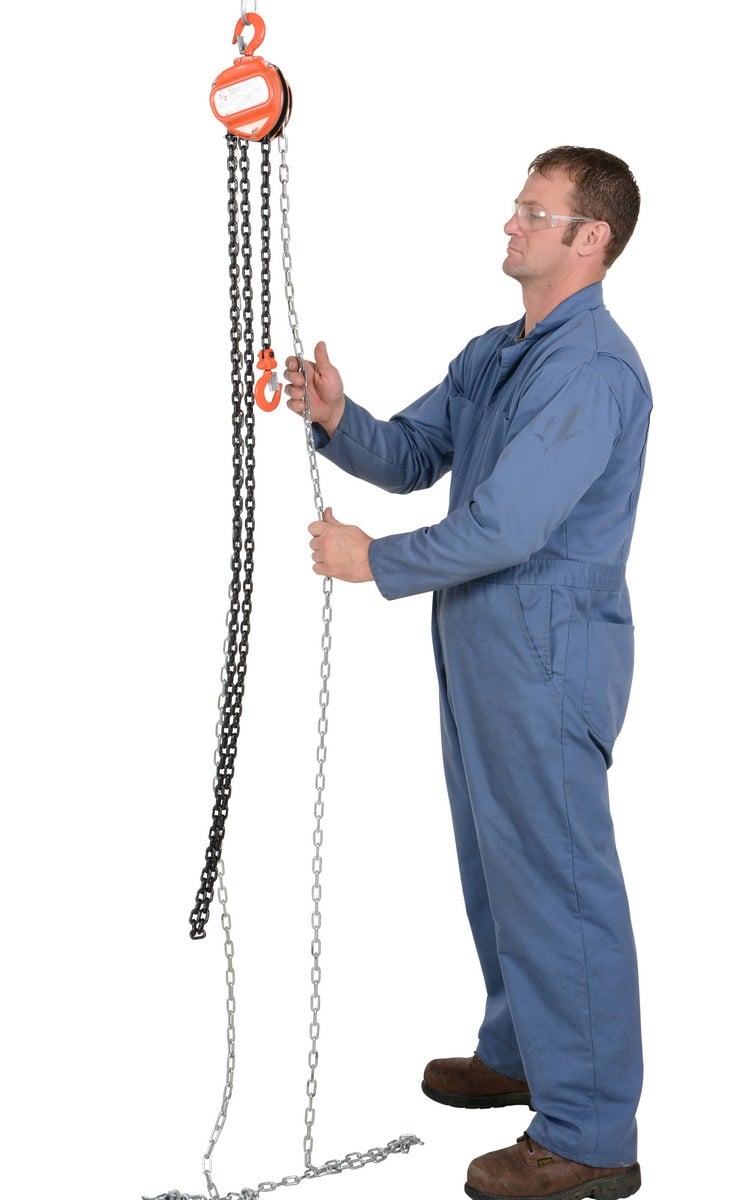

When your warehouse needs to lift heavy materials safely and efficiently, one piece of equipment consistently stands out: the hoist. Whether you’re moving inventory, positioning machinery, or handling bulky items that are too heavy to lift manually, hoists make the job faster, safer, and far more controlled. But what exactly is a hoist — and how do you choose the right one?
At A Plus Warehouse, we supply a full range of hoists and lifting systems to support warehouses, manufacturing facilities, and industrial operations of all sizes. Here’s what you need to know.
What Is a Hoist?
A hoist is a mechanical device used to lift and lower loads vertically. Most hoists use either a chain or a wire rope wrapped around a drum or over a lift wheel. They can be operated manually or powered by electricity or compressed air.
In short:
If you need to lift heavy items straight up and down, a hoist is the tool for the job.
Types of Hoists You’ll Find at A Plus Warehouse
🔗 Manual Chain Hoists
Great for light-duty or occasional lifting. Simple, reliable, and cost-effective.
⚡ Electric Chain Hoists
Perfect for frequent lifting tasks. Electric hoists provide smooth operation and reduce operator fatigue.
🧵 Wire Rope Hoists
Ideal for heavy-duty, high-capacity applications. Often used in manufacturing or large-scale warehouse environments.
💨 Air (Pneumatic) Hoists
Designed for environments where electricity isn’t ideal — such as wet, dusty, or hazardous locations.
Where Hoists Are Used
Hoists are essential across many industries, including:
-
Warehousing and distribution
-
Manufacturing and assembly
-
Automotive and maintenance shops
-
Loading docks
-
Construction environments
-
Metalworking and machine shops
Anywhere that lifting heavy materials is part of the job, a hoist improves both safety and efficiency.
Why Warehouses Use Hoists
✔ Better Safety
Hoists take strain off workers and help prevent back injuries and lifting accidents.
✔ Greater Efficiency
Loads that are slow or awkward to move manually can be lifted in seconds.
✔ Precise Positioning
Hoists offer controlled lifting and lowering for delicate or technical applications.
✔ Versatility
Pair a hoist with a trolley, gantry crane, or jib crane and you get horizontal movement along with vertical lift.
How to Choose the Right Hoist
When selecting a hoist, consider:
-
Load capacity (How heavy is the average lift?)
-
Lift height (How high do you need to move the load?)
-
Duty cycle (Is lifting occasional or continuous?)
-
Power source (Manual, electric, or air?)
-
Environment (Dust, outdoor use, hazardous areas, etc.)
A Plus Warehouse is here to help you match the right hoist to your exact workflow and environment.
Lift Smarter with A Plus Warehouse
Whether you need a manual chain hoist for light-duty work or an electric hoist for constant heavy lifting, A Plus Warehouse carries dependable equipment from trusted brands. Our team can help you build a complete lifting solution — from the hoist itself to trolleys, gantry cranes, slings, and other essential accessories.
Check out our Hoists!