
Warehouse safety isn’t just about compliance—it’s about protecting your team, improving productivity, and keeping operations running smoothly. As we head into 2026, warehouse managers face evolving challenges such as higher order volumes, tighter labor markets, and increased reliance on material handling equipment.
Use this Warehouse Safety Checklist for 2026 to evaluate your facility, reduce risk, and create a safer, more efficient workplace.
✅ 1. Aisles, Floors, and Traffic Flow
Clear, well-maintained walkways are the foundation of warehouse safety.
-
Keep aisles free of pallets, debris, and loose materials
-
Repair uneven floors, cracks, or damaged concrete
-
Use floor tape or striping to define pedestrian and forklift lanes
-
Install guard rails or barriers in high-traffic areas
-
Ensure dock areas are clearly marked and unobstructed
Tip: Anti-slip floor mats and safety barriers can significantly reduce trip and collision hazards.
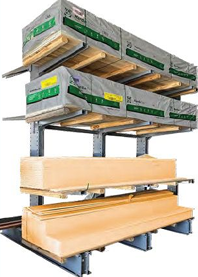
✅ 2. Racking and Storage Systems
Improper storage is a leading cause of warehouse accidents.
-
Inspect pallet racking regularly for damage or corrosion
-
Ensure racks are properly anchored and level
-
Clearly post load capacity signage
-
Store heavy items on lower shelves
-
Avoid overhanging or unstable loads
Proper racking and shelving not only improve safety but also maximize storage efficiency.
✅ 3. Material Handling Equipment
Forklifts, carts, lifts, and conveyors must be maintained and used correctly.
-
Conduct daily equipment inspections
-
Remove damaged or malfunctioning equipment from service
-
Train operators on proper use and load limits
-
Ensure battery-powered equipment is charged in designated areas
-
Provide ergonomic tools to reduce strain and fatigue
Well-maintained material handling equipment helps prevent injuries and costly downtime.
✅ 4. Employee Training & PPE
Even the best equipment can’t replace proper training.
-
Provide ongoing safety training—not just onboarding
-
Enforce use of PPE (gloves, vests, eyewear, footwear)
-
Train staff on emergency procedures and evacuation routes
-
Review safe lifting techniques regularly
-
Encourage employees to report hazards
A culture of safety starts with education and accountability.
✅ 5. Fire Safety & Emergency Preparedness
Preparedness saves lives.
-
Keep fire extinguishers accessible and inspected
-
Maintain clear access to emergency exits
-
Ensure sprinkler systems are unobstructed
-
Store flammable materials in approved safety cabinets
-
Post emergency contact numbers and procedures
Regular drills and inspections help ensure everyone knows what to do when it matters most.
✅ 6. Lighting, Visibility & Signage
Poor visibility leads to mistakes and injuries.
-
Replace burnt-out or dim lights promptly
-
Use signage to identify hazards and restricted areas
-
Clearly label storage zones and equipment areas
-
Improve lighting in picking, packing, and dock areas
Good visibility supports both safety and productivity.
✅ 7. Housekeeping & Cleanliness
A clean warehouse is a safer warehouse.
-
Clean spills immediately
-
Implement a regular cleaning schedule
-
Provide designated waste and recycling areas
-
Prevent dust buildup around equipment and storage
-
Keep entrances clean with appropriate mats
Simple housekeeping practices can prevent major accidents.
📋 Final Safety Tip for 2026
Safety isn’t a one-time checklist—it’s an ongoing process. Schedule routine safety audits, update procedures as operations evolve, and invest in quality storage, safety equipment, and material handling solutions that support your team.
At A Plus Warehouse, we offer a wide range of warehouse safety products—from racking and shelving to mats, barriers, cabinets, and material handling equipment—to help you build a safer facility in 2026 and beyond.
Check out our Material Handling Equipment!