
If you’re managing a busy warehouse, finding ways to increase storage space, boost flexibility, and keep inventory organized are top priorities. One smart solution for many facilities is the use of stacking racks — versatile, modular storage systems that adapt to changing needs without the rigidity and expense of traditional pallet racking.
🔹 What Are Stacking Racks?
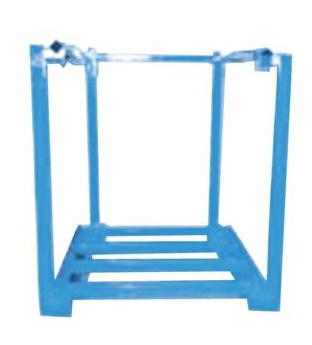
Stacking racks are modular racks designed to be stacked vertically using your forklift whenever you need more storage space. Unlike fixed pallet racking systems, stacking racks don’t require installation of beams and uprights, giving you the freedom to adjust your layout day to day depending on demand.
At A Plus Warehouse, for example, you’ll find options like:
-
Versa Racks — sturdy, four-way forklift entry with up to 4,000 lb capacity and stackable up to five-high.
Dyna Rack Modular Stacking Systems — available with open, solid, or flush decks and customizable for your operations.
U-Style MECO Racks — ideal for uniquely shaped loads like long bars or rods, with built-in wheeled carts for easy movement.
These systems let you utilize vertical space more effectively, turning previously unused overhead space into productive storage.
🛠️ Benefits of Stacking Racks
Stacking racks deliver several advantages for warehouses of all kinds:
📈 Adaptable Storage for Variable Inventory
Unlike fixed pallet racks that lock you into a specific layout, stacking racks are elastic — you can stack them higher or lower based on current inventory levels without reconfiguring beams and uprights.
📦 Efficient Floor Space Use
When inventory surges — think holiday seasons or big purchase orders — stacking racks let you catch up without expanding your footprint. When demand drops, you can unstack and store racks flat, freeing up valuable floor space.
🚚 Better Handling & Accessibility
With four-way forklift access and forklift-ready designs, stacking racks move easily around the warehouse. Some models even come with casters or portable base frames for manual repositioning.
💪 Custom Configurations
Choose platform sizes, decking types (wire mesh, solid board, etc.), and stacking heights based on your load types and lifting equipment. And if you’re unsure, A Plus Warehouse can help you design what you need with their design support.
🧠 Tips for Using Stacking Racks Safely
Safety is crucial when working with vertical storage systems. Here are guidelines to help keep your team and inventory secure:
✅ Know Your Load Limits
Each stacking rack system has a maximum capacity per level. Exceeding it can lead to instability or collapse. Always follow the manufacturer’s specifications and mark capacities clearly for staff.
📊 Distribute Weight Evenly
Uneven loads can cause racks to lean or fail. Place heavier items on lower stack levels and ensure weight is balanced across the rack.
🧰 Train Your Team
Make sure your crew understands proper stacking, load limits, and forklift operation around stacked units. Ongoing training reduces accidents significantly.
🔍 Inspect Regularly
Even small damage can weaken rack structures over time. Conduct frequent inspections for bent frames, damaged decks, or shifted loads, and fix issues promptly.
🧩 Conclusion
Stacking racks offer a flexible, cost-effective alternative to traditional racking — perfect for warehouses with variable inventory levels or seasonal ebbs and flows. Whether you need portable stacking systems, heavy-duty modular racks, or custom configurations, options from A Plus Warehouse and similar suppliers help you make the most of every inch of space.
Check out our Stacking Rack!