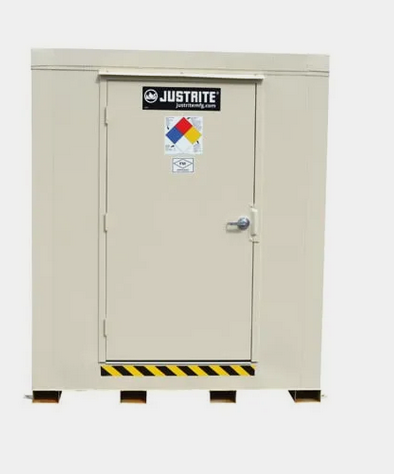

A well-organized, safe laboratory doesn’t happen by accident — it’s the result of thoughtful design, reliable equipment, and a culture that prioritizes safety. Among the many crucial elements that make a lab both functional and compliant with safety standards, laboratory cabinets and eyewash stations play indispensable roles. These fixtures help protect personnel, preserve sensitive materials, and support emergency response when accidents occur.
🔒 Laboratory Cabinets: More Than Just Storage
In a busy lab, storage isn’t just about clearing clutter — it’s about protecting people and materials. The right cabinets help ensure chemicals and equipment are stored safely, prevent accidental exposures, and support compliance with safety codes.
Why Cabinets Matter
-
Chemical Safety: Specialized safety cabinets are designed to hold corrosive acids, flammables, and other hazardous substances. By isolating these materials, they reduce the risk of spills and fire hazards.
-
Organization and Efficiency: Cabinets with proper shelving and labeling promote order, making it easier to find what you need and minimizing the risk of accidental misuse.
-
Environmental Protection: Ventilated or sealed cabinets limit the spread of fumes and vapors, protecting indoor air quality for lab occupants.
🚨 Eyewash Stations: A First Line of Emergency Defense
Imagine a momentary splash of a corrosive chemical — seconds count when it reaches your eyes. That’s why emergency eyewash stations are required where hazardous chemicals are used or stored, and why their placement, accessibility, and maintenance are critical.
The Importance of Eyewash Stations
-
Immediate Response: Rapid flushing helps reduce the severity of injury. It’s generally recommended that eyewash stations be set up to be reached in 10 seconds or less from hazard areas.
-
Regulatory Standards: Guidelines (e.g., OSHA and ANSI Z358.1) dictate proper installation, clear access, and regular testing — because an eyewash is only useful if it works when needed.
-
Annual & Weekly Checks: Eyewash units should be inspected frequently to ensure cleanliness and flow, with plumbing and nozzles maintained so flushing water is safe and available without obstruction.
🚨 Eyewash Stations: A First Line of Emergency Defense
Imagine a momentary splash of a corrosive chemical — seconds count when it reaches your eyes. That’s why emergency eyewash stations are required where hazardous chemicals are used or stored, and why their placement, accessibility, and maintenance are critical.
The Importance of Eyewash Stations
-
Immediate Response: Rapid flushing helps reduce the severity of injury. It’s generally recommended that eyewash stations be set up to be reached in 10 seconds or less from hazard areas.
-
Regulatory Standards: Guidelines (e.g., OSHA and ANSI Z358.1) dictate proper installation, clear access, and regular testing — because an eyewash is only useful if it works when needed.
-
Annual & Weekly Checks: Eyewash units should be inspected frequently to ensure cleanliness and flow, with plumbing and nozzles maintained so flushing water is safe and available without obstruction.