
Industrial equipment plays a critical role in keeping warehouses, manufacturing facilities, distribution centers, and commercial operations running smoothly. From moving heavy materials to organizing inventory and improving safety, the right equipment increases productivity, reduces labor strain, and creates a safer work environment.
If you manage a warehouse or industrial facility, understanding the different types of industrial equipment available can help you make smarter purchasing decisions and optimize daily operations.
What Is Industrial Equipment?
Industrial equipment includes machinery, tools, storage systems, and material handling solutions designed for heavy-duty commercial and industrial use. Unlike consumer-grade products, industrial equipment is built for durability, high capacity, and long-term performance in demanding environments.
This equipment supports:
-
Material handling
-
Storage and organization
-
Workplace safety
-
Production and assembly
-
Shipping and receiving
Types of Industrial Equipment
1. Material Handling Equipment
Material handling equipment helps move, lift, stack, and transport products safely and efficiently.
Common examples include:
-
Forklifts and pallet jacks
-
Lift tables and stackers
-
Conveyor systems
-
Carts and platform trucks
These tools reduce manual lifting, minimize injuries, and speed up workflow. In high-volume environments, reliable material handling equipment is essential for maintaining productivity.
2. Storage and Racking Systems
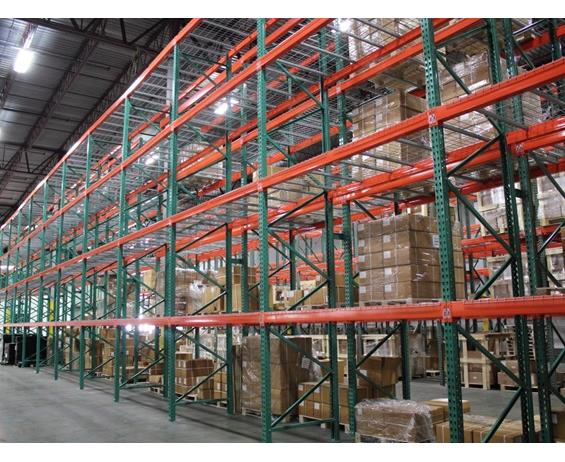
Efficient storage maximizes available space and improves organization. Industrial storage systems are designed to handle heavy loads while keeping inventory accessible.
Examples include:
-
Pallet racking
-
Cantilever racks
-
Shelving units
-
Storage cabinets
-
Lockers
Proper racking systems improve inventory management, reduce clutter, and create safer walkways throughout the facility.
3. Industrial Safety Equipment
Safety is a top priority in any industrial setting. Equipment designed to protect employees and infrastructure includes:
-
Guard rails and bollards
-
Dock equipment and dock levelers
-
Safety barriers
-
Anti-fatigue matting
-
Spill containment systems
Investing in safety equipment helps prevent accidents, reduce liability, and maintain OSHA compliance.
4. Lifting and Positioning Equipment
Ergonomic lifting solutions help reduce strain on workers while improving efficiency.
This category includes:
-
Hydraulic lift tables
-
Work positioners
-
Cranes and hoists
-
Drum lifters and dumpers
These systems are especially valuable in manufacturing and assembly environments where repetitive lifting can lead to injury.
Benefits of Investing in Quality Industrial Equipment
Increased Productivity
High-quality equipment speeds up processes, reduces downtime, and improves overall workflow.
Improved Workplace Safety
Ergonomic tools and safety barriers significantly reduce the risk of workplace injuries.
Better Space Utilization
Racking systems and organized storage allow facilities to maximize vertical and horizontal space.
Long-Term Cost Savings
Durable industrial equipment minimizes maintenance costs and reduces the need for frequent replacements.
Choosing the Right Industrial Equipment
When selecting equipment for your facility, consider:
-
Load capacity requirements
-
Available floor space
-
Frequency of use
-
Compliance and safety standards
-
Future growth needs
Working with an experienced supplier ensures you choose equipment that fits your application and budget.
Final Thoughts
Industrial equipment is the foundation of efficient warehouse and manufacturing operations. Whether you need material handling solutions, storage systems, safety products, or ergonomic lifting equipment, investing in the right tools will improve productivity, protect employees, and support long-term growth.
If you're looking to upgrade your facility, now is the time to evaluate your current setup and explore solutions designed to make your operation safer, smarter, and more efficient.
Check out our Pallet Rackign!