
In any warehouse or distribution center, the loading dock is one of the busiest — and most dangerous — areas in the facility. With constant truck traffic, heavy equipment, elevated platforms, and fast-paced operations, dock safety isn’t optional. It’s essential.
At A Plus Warehouse, we understand that improving dock safety not only protects your team — it protects your productivity, inventory, and bottom line.
Why Dock Safety Matters
Loading docks are responsible for a high percentage of warehouse injuries. Common risks include:
-
Forklifts falling off dock edges
-
Trailer separation during loading
-
Slips and falls due to wet or uneven surfaces
-
Struck-by accidents from moving trucks
-
Overexertion injuries from improper lifting
A proactive dock safety plan reduces downtime, workers’ compensation claims, equipment damage, and costly inventory losses.
Common Dock Hazards
1. Trailer Creep
When a forklift enters and exits a trailer repeatedly, the trailer can gradually move away from the dock — creating a dangerous gap. This is known as trailer creep.
2. Dock Edge Falls
Without proper barriers or vehicle restraints, forklifts and pallet jacks can accidentally roll off the dock edge.
3. Slippery Conditions
Rain, snow, oil, and debris can create hazardous walking and driving surfaces.
4. Poor Visibility
Inadequate lighting increases the risk of collisions and missteps.
Essential Dock Safety Equipment
Investing in the right equipment is one of the most effective ways to improve dock safety.
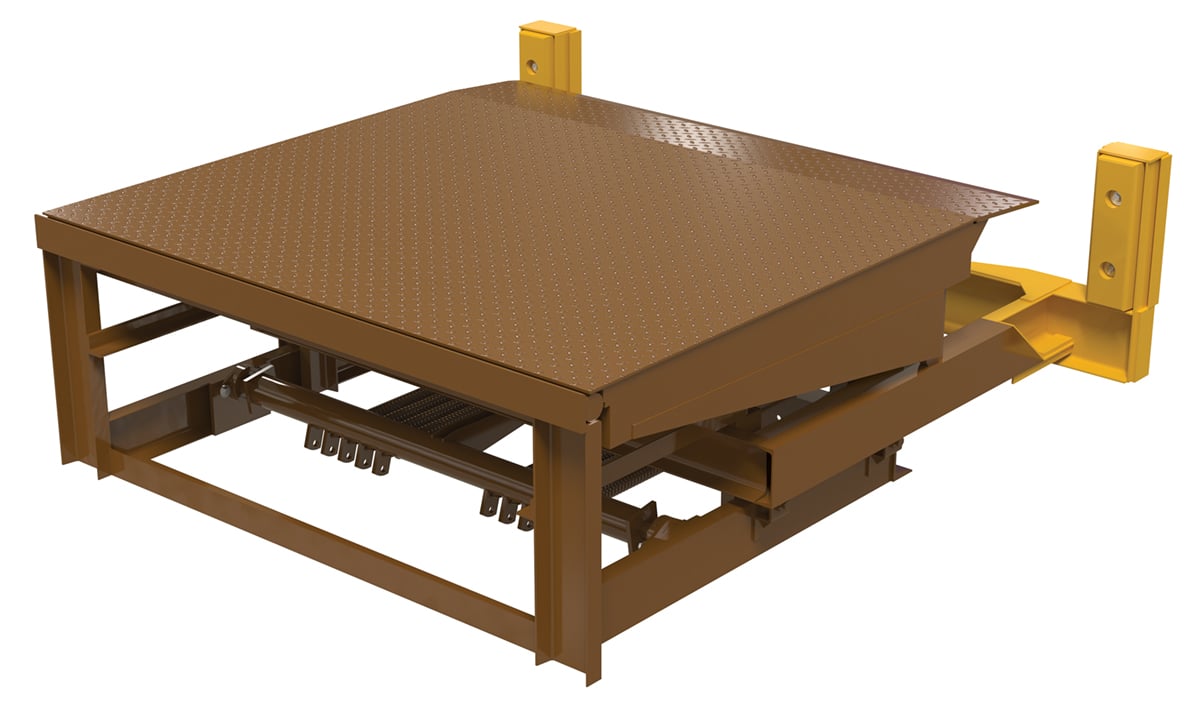
Dock Levelers
Dock levelers create a smooth transition between the warehouse floor and trailer bed. This reduces impact on forklifts and prevents tipping hazards.
Vehicle Restraints
Vehicle restraints secure trailers to the dock, preventing unexpected separation during loading and unloading.
Dock Seals & Shelters
Dock seals help protect against weather-related hazards while improving energy efficiency.
Safety Barriers & Guard Rails
Physical barriers help prevent forklifts and personnel from falling off the dock edge.
Dock Lifts
For facilities without raised loading docks, dock lifts provide a safe, controlled way to move materials between ground level and truck height.
Best Practices for Dock Safety
Beyond equipment, operational procedures are critical.
-
Train employees regularly on dock safety protocols
-
Inspect dock equipment daily
-
Keep dock areas clean and free of debris
-
Use wheel chocks and vehicle restraints properly
-
Establish clear communication between drivers and warehouse staff
-
Post visible safety signage
Routine inspections and preventive maintenance go a long way in preventing accidents.
Building a Culture of Safety
Dock safety is not just about compliance — it’s about culture. When employees understand that safety is a priority, they’re more likely to follow procedures and report hazards.
Encourage:
-
Open communication about safety concerns
-
Regular safety meetings
-
Ongoing training programs
-
Clear accountability for procedures
Upgrade Your Dock Safety with A Plus Warehouse
At A Plus Warehouse, we offer a wide range of dock equipment and safety solutions designed to keep your operations running smoothly and safely. Whether you need dock levelers, vehicle restraints, dock lifts, or protective barriers, our team can help you find the right solution for your facility.
A safer dock means fewer accidents, lower costs, and higher productivity.
Contact A Plus Warehouse today to improve your dock safety and protect what matters most — your people.
Check out our Dock Equipment!