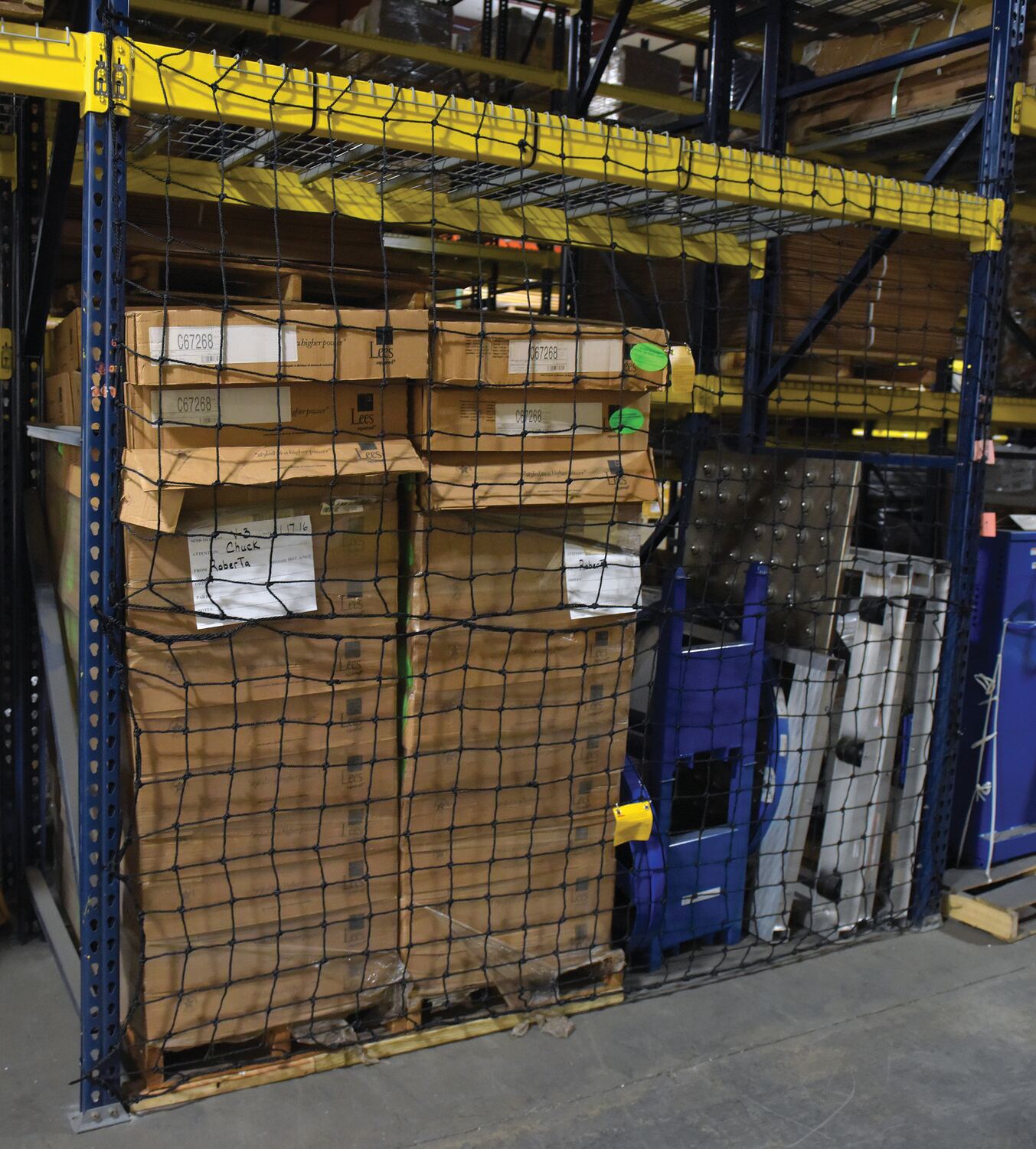

Choosing the right storage system can make a major difference in how efficiently your warehouse uses its available space. Two of the most common options are pallet racking and industrial shelving. While both provide organized storage, they are designed for different types of inventory and applications.
So, when should you choose pallet racking over shelving—and when is shelving the better option?
When to Choose Pallet Racking
Pallet racking is generally the better choice when you need to store large quantities of palletized products or heavy, bulky materials.
Pallet racks are designed to take advantage of vertical warehouse space. Multiple levels allow businesses to store pallets above the floor, increasing storage capacity without requiring additional square footage.
Pallet racking may be the right solution if you:
-
Store products on pallets
-
Need high-capacity storage
-
Use forklifts or other powered material handling equipment
-
Want to maximize vertical space
-
Need multiple storage levels
-
Store large or bulky products
-
Have high inventory volumes
There are also several types of pallet racking available for different storage requirements. Teardrop pallet racks, for example, are a popular choice for general warehouse storage, while cantilever racks are designed for long or oversized materials such as lumber, pipe, tubing and sheet goods.
When to Choose Shelving
Industrial shelving is often the better choice for smaller products that are picked and handled by hand.
Shelving provides easy access to individual products without requiring a forklift. It can be used in warehouses, stockrooms, maintenance areas, offices and other storage spaces.
Shelving may be the right solution if you:
-
Store cartons, parts or small products
-
Pick inventory by hand
-
Need frequent access to individual items
-
Have lower storage heights
-
Store products that are not palletized
-
Need an economical storage solution
-
Want to create organized picking locations
Industrial shelving is available in a wide range of sizes and capacities. Accessories such as bins, dividers and shelf panels can also help organize smaller inventory.
Pallet Racking vs. Shelving: What's the Difference?
The biggest difference comes down to what you are storing and how you access it.
| Pallet Racking | Industrial Shelving |
|---|---|
| Designed for palletized inventory | Designed for smaller products and parts |
| Typically accessed with forklifts | Typically accessed by hand |
| Higher storage capacities | Lower to medium storage capacities |
| Makes greater use of vertical space | Easy access to individual products |
| Ideal for bulk inventory | Ideal for piece-picking |
| Common in warehouses and distribution centers | Common in stockrooms, warehouses and maintenance areas |
For example, a distribution center storing pallets of packaged goods would likely benefit from pallet racking. A maintenance department storing individual tools, replacement parts and supplies may be better served by industrial shelving.
Consider Your Inventory
Start by looking at the size, weight and quantity of the products you need to store.
Large and heavy inventory generally points toward pallet racking, especially when products are stored on pallets. Smaller products, boxes, parts and supplies are often easier to organize on shelving.
You should also consider whether your inventory is typically moved in bulk or picked one item at a time. Pallet racking works well for pallet-level storage and forklift access, while shelving is convenient when employees need to quickly reach individual products.
Consider Your Available Space
Warehouse height is another important factor.
If you have a facility with substantial vertical clearance, pallet racking can help take advantage of that space. Multiple rack levels can significantly increase storage capacity while keeping products organized.
Shelving can also be configured vertically, but it is generally intended for products that can be safely accessed by employees from the floor or with appropriate access equipment.
Consider How Often Inventory Is Accessed
Inventory turnover and picking methods should also influence your decision.
If products are moved in full pallets, pallet racking provides an efficient storage and retrieval system. If employees frequently need to pick individual products, shelving can provide faster and easier access.
Some warehouses may benefit from using both systems. Pallet racking can hold reserve inventory, while shelving can be used in a picking area for smaller products and frequently accessed items.
Can You Use Pallet Racking and Shelving Together?
Absolutely. In many warehouses, the best storage solution isn't choosing one or the other.
A combination of pallet racking and shelving can help create different storage zones based on inventory type. For example, pallet racks can store bulk inventory in the warehouse, while industrial shelving can organize smaller items in a picking, maintenance or parts area.
Using different storage systems for different products can help improve organization, accessibility and overall warehouse efficiency.
Choose the Storage System That Fits Your Operation
There is no single storage solution that works for every warehouse. Pallet racking is generally the better choice for palletized, heavy or high-volume inventory, while shelving is ideal for smaller products that need frequent hand access.
Before purchasing a storage system, consider your inventory, available space, product weight, picking methods and future storage needs. Choosing the right system can help you make better use of your warehouse space while keeping products organized and accessible.
Explore pallet racking and industrial shelving from A Plus Warehouse to find storage solutions for your warehouse, stockroom or facility.
Check out our Pallet Racking!