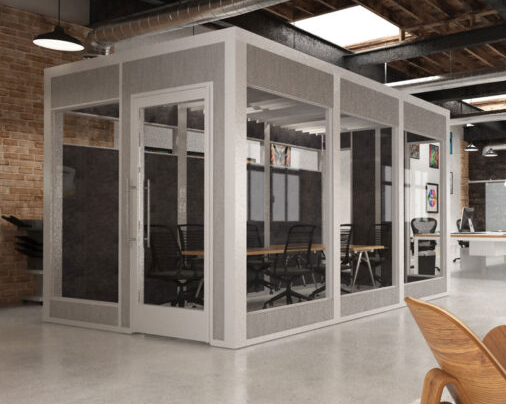

Inplant offices are a smart, efficient solution for creating workspace directly within a warehouse, manufacturing facility, or distribution center. Instead of constructing permanent walls or expanding your building, inplant offices offer a flexible, cost-effective way to add office space exactly where you need it.
Whether you're managing operations, supervising staff, or handling administrative tasks on the floor, here’s what you need to know about inplant offices.
What Is an Inplant Office?
An inplant office is a prefabricated structure installed בתוך an existing facility. These offices are designed to provide a clean, quiet, and comfortable workspace while remaining close to daily operations.
They can be used for:
- Supervisory offices
- Quality control stations
- Meeting rooms
- Break rooms
- Equipment enclosures
Key Benefits of Inplant Offices
1. Cost-Effective Alternative to Construction
Traditional construction can be expensive, time-consuming, and disruptive. Inplant offices are typically more affordable and can often be installed in a fraction of the time, minimizing downtime.
2. Fast Installation
Most inplant offices are prefabricated and modular, allowing for quick assembly. Many systems can be installed in days rather than weeks or months.
3. Flexibility and Scalability
As your business grows or changes, your workspace can too. Inplant offices can be expanded, relocated, or reconfigured without major construction work.
4. Improved Productivity
By placing office space directly on the warehouse floor, supervisors and managers can stay closer to operations, improving communication and response times.
5. Noise and Climate Control
Many inplant offices are designed with insulated panels, helping reduce noise from machinery and maintain a comfortable indoor temperature.
Types of Inplant Offices
Single-Level Offices
These are the most common and are ideal for facilities with ample floor space. They provide straightforward, ground-level access.
Two-Story Offices
Perfect for maximizing vertical space, two-story offices allow you to add office space without sacrificing valuable floor area.
Modular Wall Systems
These systems allow you to create custom layouts using panels, offering flexibility for unique space requirements.
Common Features
Inplant offices can be customized with a variety of features, including:
- Windows for visibility
- HVAC systems for climate control
- Electrical and data wiring
- Soundproofing materials
- Steel or aluminum construction
- Mezzanine integration for multi-level setups
Important Considerations
Before installing an inplant office, keep the following in mind:
Building Codes and Permits
Check local regulations and safety requirements to ensure compliance. Fire safety, egress, and structural standards are especially important.
Space Planning
Evaluate your available floor space and workflow to determine the best placement. You want to enhance operations—not disrupt them.
Future Growth
Choose a system that can adapt as your needs change. Modular designs are especially useful for long-term flexibility.
Environmental Conditions
If your facility has extreme temperatures, dust, or humidity, make sure your office is designed to handle those conditions.
Industries That Benefit from Inplant Offices
Inplant offices are widely used across industries, including:
- Warehousing and distribution
- Manufacturing
- Automotive
- Food processing
- Logistics and shipping
Final Thoughts
Inplant offices are a practical, scalable solution for adding functional workspace within your facility. They combine convenience, efficiency, and flexibility—making them an excellent investment for businesses looking to optimize their operations without the cost and hassle of traditional construction.
If you're looking to improve workflow, increase oversight, and create a more organized environment, an inplant office could be the perfect addition to your facility.
Check out our Inplant Offices!