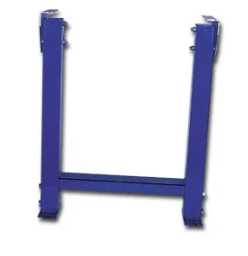

Conveyors are an important part of many material handling systems, helping move products, packages, materials, and bulk goods efficiently from one location to another. But while the conveyor itself gets most of the attention, the support system underneath it is just as important.
Conveyor stands provide the stability, elevation, and positioning needed to keep a conveyor operating properly. Different applications call for different types of stands, from simple fixed supports to adjustable and mobile options.
Understanding the different types of conveyor stands can help you choose the right support for your conveyor system.
What Is a Conveyor Stand?
A conveyor stand is a support structure designed to hold a conveyor at the proper working height and keep it stable during operation. Stands can be used with gravity conveyors, roller conveyors, belt conveyors, and other conveyor equipment.
Depending on the design, a conveyor stand may offer:
- Fixed or adjustable height
- Stationary or mobile operation
- Different weight capacities
- Single-point or multi-point support
- Adjustable conveyor angles
- Easy repositioning for changing layouts
The right stand depends on the conveyor, the material being transported, and how the system is being used.
Tripod Conveyor Stands
Tripod conveyor stands provide a stable support point while allowing for flexibility in conveyor positioning. Their three-leg design helps distribute the load and provides a sturdy base for portable conveyor applications.
These stands are particularly useful when conveyors need to be assembled, moved, or adjusted as job requirements change. Tripod-style supports are commonly used with portable conveyors in construction, material handling, and other applications where flexibility is important.
V-Roller Conveyor Stands
V-roller stands are designed to support conveyors while providing a durable and stable connection between the conveyor and its support structure.
The V-roller design can help accommodate conveyor movement and positioning while maintaining support. These stands are often used in applications where conveyors need reliable support without creating a permanent installation.
They can be especially useful for portable material handling equipment where the conveyor may be repositioned between jobs.
Mobile Conveyor Stands
Mobile conveyor stands are designed for applications where equipment needs to move around a facility or job site. Wheels or casters allow the stand and conveyor to be repositioned without requiring the entire support system to be disassembled.
Mobility can be valuable in warehouses, construction sites, loading areas, and production environments where the layout changes frequently.
When choosing a mobile stand, consider the total weight of the conveyor and its load, as well as the type of floor surface and how frequently the equipment will be moved.
Adjustable Conveyor Stands
Adjustable stands allow operators to change the height of the conveyor to suit different applications. This flexibility can make it easier to match the conveyor to other equipment, workstations, loading points, or discharge areas.
Height adjustment can also help create a more efficient material flow by allowing the conveyor to operate at the appropriate elevation.
Adjustable conveyor stands are a good choice when a conveyor needs to accommodate changing operating conditions rather than remaining at one fixed height.
Fixed Conveyor Stands
Fixed conveyor stands provide permanent or semi-permanent support for conveyor systems. They are generally used when the conveyor will remain in a consistent position and does not need to be regularly relocated.
Fixed supports can provide a straightforward and dependable solution for warehouses, manufacturing facilities, distribution centers, and other permanent material handling systems.
How to Choose the Right Conveyor Stand
Before selecting a conveyor stand, consider several factors:
Conveyor type: Make sure the stand is compatible with the conveyor you are using.
Weight capacity: Consider both the weight of the conveyor and the maximum weight of the materials being transported.
Height: Determine the operating height required for your application. Adjustable stands can provide additional flexibility.
Mobility: If the conveyor needs to be moved regularly, consider mobile or portable support options.
Work environment: Construction sites, warehouses, manufacturing facilities, and outdoor applications may have different support requirements.
Conveyor configuration: Straight conveyors, inclined conveyors, and systems with changing angles may require different types of support.
Why Conveyor Stands Matter
A conveyor is only as effective as the support system holding it in place. Properly selected conveyor stands help maintain the correct conveyor position, provide stability, and make it easier to create an efficient material handling system.
For portable conveyors in particular, the right stand can make setup and repositioning much easier. For permanent systems, fixed or adjustable supports can provide the stability and positioning needed for reliable operation.
Whether you need a tripod stand, V-roller stand, mobile stand, or adjustable conveyor support, choosing the right support is an important part of designing an effective conveyor system.
Find the Right Conveyor Support
Conveyor stands are available in a variety of designs to accommodate different conveyor types and material handling applications. By considering your conveyor's weight, height, configuration, and mobility requirements, you can select a support system that keeps your equipment stable and properly positioned.
A well-supported conveyor can help create a safer, more efficient, and more flexible material handling operation.
Check out our Conveyors stands and supports!