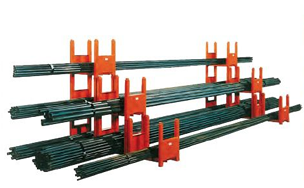

When warehouse space is limited, finding a storage solution that makes the most of your available square footage is essential. Stackable racks provide a flexible way to store materials, parts, containers, and other products vertically while keeping items organized and accessible.
Unlike permanent storage systems, stackable racks can be moved, rearranged, and configured as your storage needs change. They are a practical choice for warehouses, manufacturing facilities, distribution centers, and other industrial environments.
What Are Stackable Racks?
Stackable racks are freestanding storage racks designed to be placed on top of one another when loaded with compatible materials. Their interlocking or stacking design allows multiple racks to be safely arranged vertically without requiring permanent installation.
These racks can be used individually at floor level or stacked to take advantage of vertical storage space. When storage requirements change, they can also be separated and rearranged to accommodate different materials or layouts.
Benefits of Stackable Racks
Maximize Vertical Storage Space
One of the biggest advantages of stackable racks is their ability to increase storage capacity without requiring additional floor space. By stacking materials vertically, warehouses can make better use of their available cubic space.
Flexible Storage
Warehouse layouts and inventory requirements can change frequently. Stackable racks can be moved or reconfigured as needed, making them useful for facilities with changing storage requirements.
Improve Organization
Loose materials and components can quickly create clutter in a warehouse. Stackable racks provide designated storage locations that help keep products organized and easier to identify.
Reduce Floor-Level Clutter
Using vertical space can help keep aisles, work areas, and floors clear. Properly organized storage can also make it easier for employees to access materials when needed.
Durable Construction
Many stackable racks are manufactured from steel or other heavy-duty materials to withstand demanding industrial environments. Depending on the model, racks can be designed to support substantial loads and repeated use.
Common Applications for Stackable Racks
Stackable racks are useful in a variety of industries and storage environments. Common applications include:
-
Warehouses: Store inventory, components, and packaged goods.
-
Manufacturing: Organize work-in-process materials and production components.
-
Distribution centers: Consolidate products before shipment.
-
Automotive facilities: Store parts, components, and supplies.
-
Agriculture: Organize equipment and materials.
-
Retail and wholesale operations: Store bulk inventory.
-
Industrial facilities: Keep raw materials and supplies organized.
Types of Stackable Racks
Stackable racks are available in different configurations to accommodate different types of materials.
Stackable Pallet Racks
Heavy-duty stackable racks can provide an alternative to permanent pallet racking for certain storage applications. They can be loaded and stacked to create temporary or flexible pallet storage areas.
Stackable Stillages
Stillages are useful for storing bulky, irregularly shaped, or heavy materials. Many feature open sides or removable components that make loading and unloading easier.
Stackable Wire Racks
Wire-style stackable racks provide visibility to stored products while allowing air and light to pass through the storage area. They can be useful for parts, containers, and other smaller materials.
Stackable Material Racks
Material racks can be used to organize long, bulky, or specialized products. Depending on the design, they may include dividers, shelves, or other features for separating materials.
How to Choose a Stackable Rack
Before selecting a stackable rack, consider the materials you need to store and how the rack will be used.
Determine the required capacity. Make sure the rack's rated capacity is appropriate for the weight of the materials being stored.
Consider dimensions. Measure the available floor space and the size of the products you need to store. Rack dimensions should provide enough room for loading and unloading.
Think about stacking height. Determine how many racks you intend to stack and verify that the selected model is designed for that configuration.
Consider material handling equipment. If forklifts or pallet jacks will be used, make sure the rack design accommodates your handling equipment.
Choose the right construction. Steel racks are commonly used for demanding industrial applications, while wire configurations can provide increased visibility and ventilation.
Stackable Racks vs. Permanent Storage
Permanent pallet racking can be an excellent solution for facilities with established storage layouts, but it isn't always necessary for every application. Stackable racks offer greater flexibility when inventory levels, products, or facility layouts change.
They can also be useful for seasonal storage or temporary projects. When the racks aren't needed, many models can be nested or stored to reduce their footprint.
Improve Warehouse Storage with Stackable Racks
Effective storage doesn't always require a permanent installation. Stackable racks offer a flexible way to organize materials, increase vertical storage, and adapt to changing warehouse requirements.
Whether you're storing inventory, manufacturing components, bulky materials, or work-in-process products, choosing the right stackable rack can help create a more organized and efficient workspace.
Explore stackable racks from A Plus Warehouse to find storage solutions for your warehouse, manufacturing facility, or industrial workspace. Call 800-209-8798 for help selecting the right equipment for your application.
Check out our Stackable Bar Rack!